Welcome to History Alive Today
Why We are What We are
A fun way to learn the history that matters — in small bites. Discover how everyday objects, sayings, behaviors, and traditions stem from human experience across millennia.
 Write your own History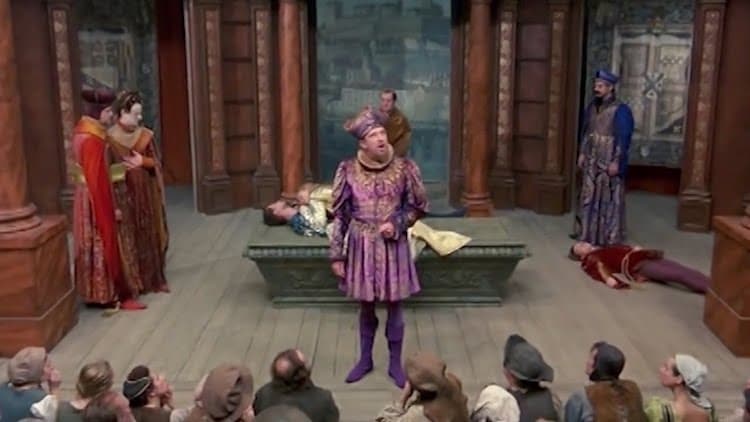
Popular Articles

Things we do
The Ancient Origins of Fast Food
White Castle, 1921. McDonald’s, 1948. We are fairly sure America invented eating standing up at a counter, in a hurry, out of paper. Pompeii had 158 of them.

Things we think
Who Cursed Friday the 13th?
Buildings skip the thirteenth floor and nobody can tell you why. Four suspects, one of them a real atrocity — and the answer is not the one everybody gives.
Things we use
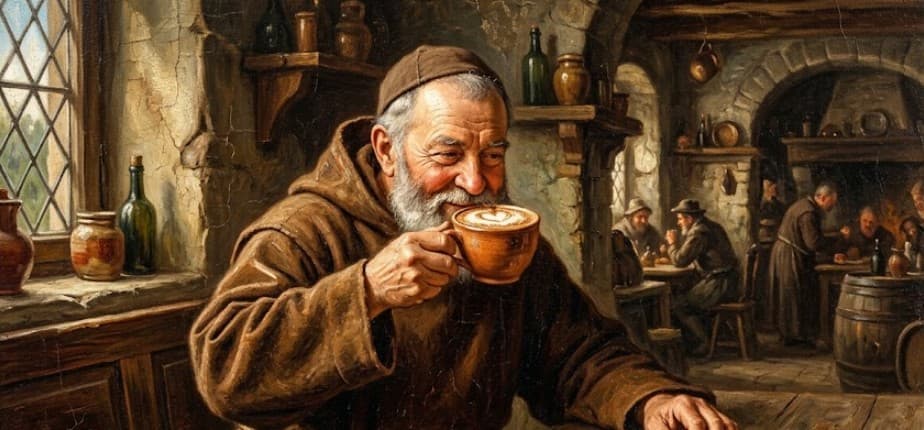
The Holy Origins of Cappuccino
You order one without thinking about it. It is named after a religious order — but not for the reason almost everyone thinks.

Your history
Write your own history, one post at a time
Share each moment with your people, like you already do — and watch them add up to your story.
Things we say
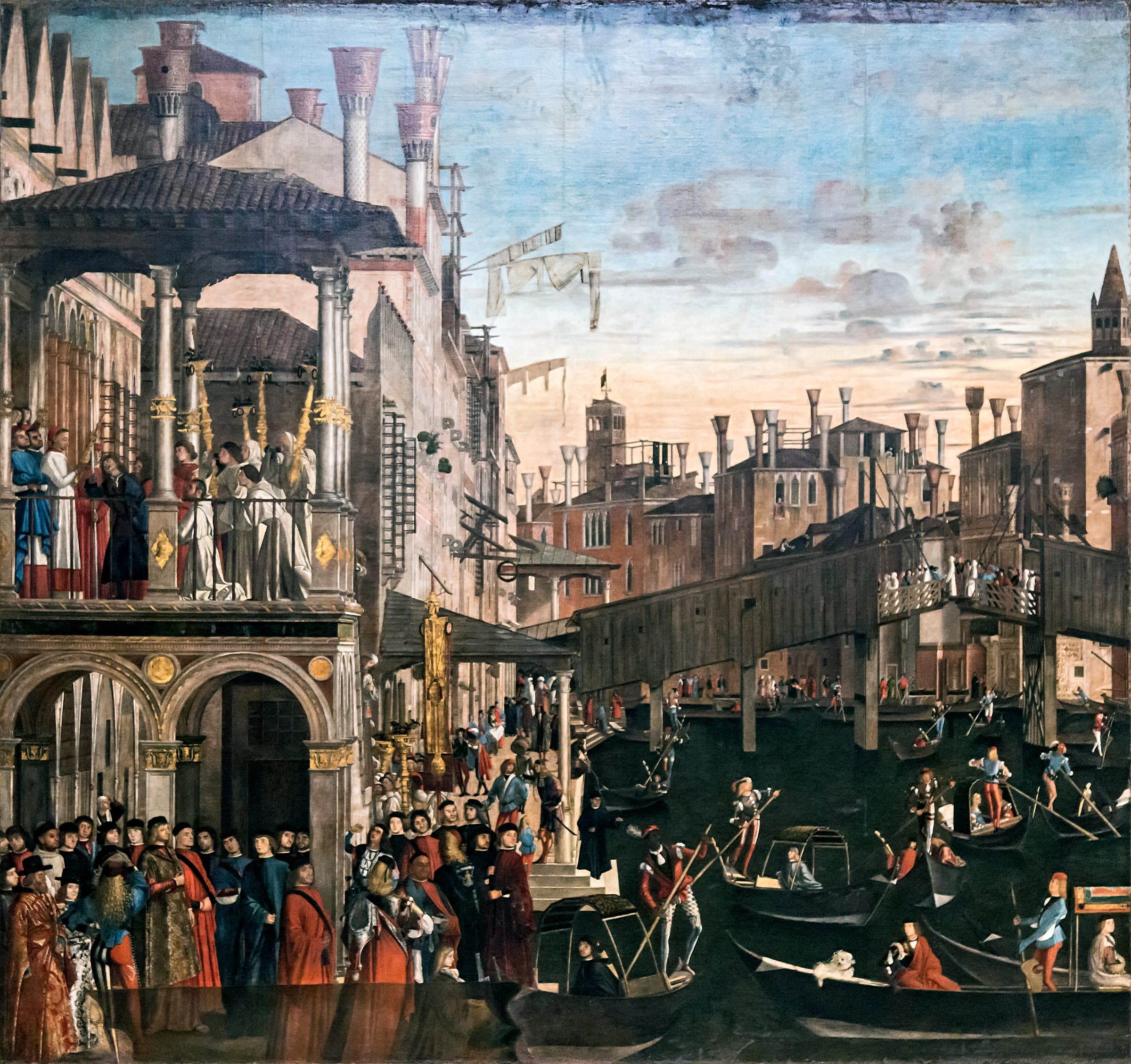
Ciao Really Means "I Am Your Slave"
It is the friendliest word in Europe — warm, quick, and said twice, once arriving and once leaving. It also began life as a way of telling someone that you belonged to them, and the word hiding underneath it is older and a great deal darker.
Things we use
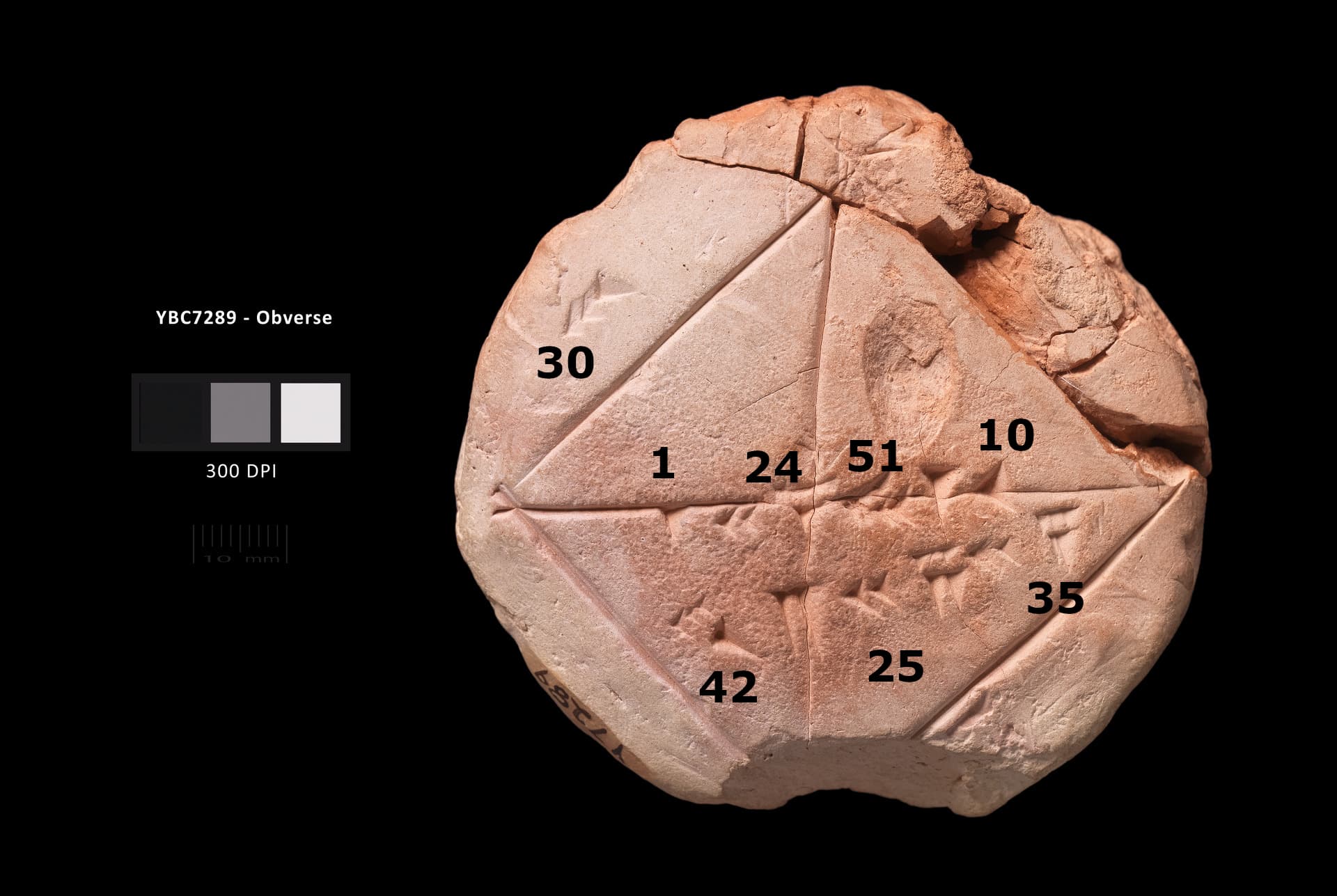
Why Does an Hour Have 60 Minutes? Blame Babylon
Sixty seconds to the minute, sixty minutes to the hour, three hundred and sixty degrees to a circle. Not one of those numbers is a ten. We decimalised money, distance and weight — France even tried to decimalise the clock — and yet time still counts in sixties, because a civilisation in southern Iraq liked a number that divides cleanly.
Things we do
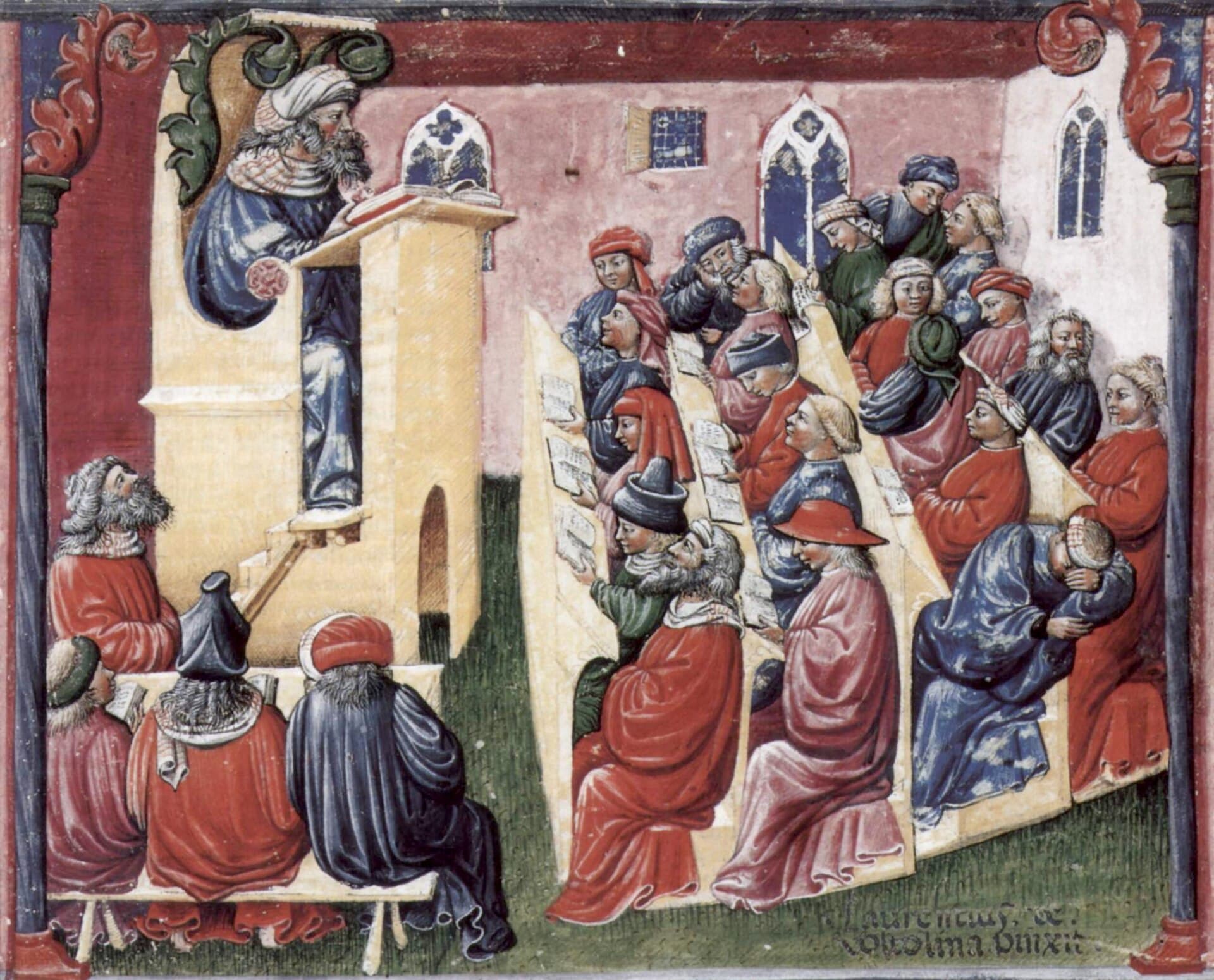
Why Do Graduates Dress Like Medieval Clerics? Blame the Cold
Every spring, millions of people put on a black tent, drape a strip of coloured silk down their back and balance a flat square board on their head. Nobody thinks this is strange. It is, in fact, the working uniform of a 13th-century churchman — right down to the hat, designed to keep a shaved head warm in an unheated stone room.

Things we say
Where Does the Word 'Amen' Come From?
Spoken by billions across religions and languages, "Amen" is one of the most universal words in human history. Its roots in ancient Hebrew and Egyptian religion tell a remarkable story.
Latest Articles
Things we do
The Ancient Origins of Fast Food
White Castle, 1921. McDonald’s, 1948. We are fairly sure America invented eating standing up at a counter, in a hurry, out of paper. Pompeii had 158 of them.
Things we think
Who Cursed Friday the 13th?
Buildings skip the thirteenth floor and nobody can tell you why. Four suspects, one of them a real atrocity — and the answer is not the one everybody gives.
Things we use
The Holy Origins of Cappuccino
You order one without thinking about it. It is named after a religious order — but not for the reason almost everyone thinks.
Things we say
Ciao Really Means "I Am Your Slave"
It is the friendliest word in Europe — warm, quick, and said twice, once arriving and once leaving. It also began life as a way of telling someone that you belonged to them, and the word hiding underneath it is older and a great deal darker.
Things we use
Why Does an Hour Have 60 Minutes? Blame Babylon
Sixty seconds to the minute, sixty minutes to the hour, three hundred and sixty degrees to a circle. Not one of those numbers is a ten. We decimalised money, distance and weight — France even tried to decimalise the clock — and yet time still counts in sixties, because a civilisation in southern Iraq liked a number that divides cleanly.
Things we do
Why Do Graduates Dress Like Medieval Clerics? Blame the Cold
Every spring, millions of people put on a black tent, drape a strip of coloured silk down their back and balance a flat square board on their head. Nobody thinks this is strange. It is, in fact, the working uniform of a 13th-century churchman — right down to the hat, designed to keep a shaved head warm in an unheated stone room.
Things we do
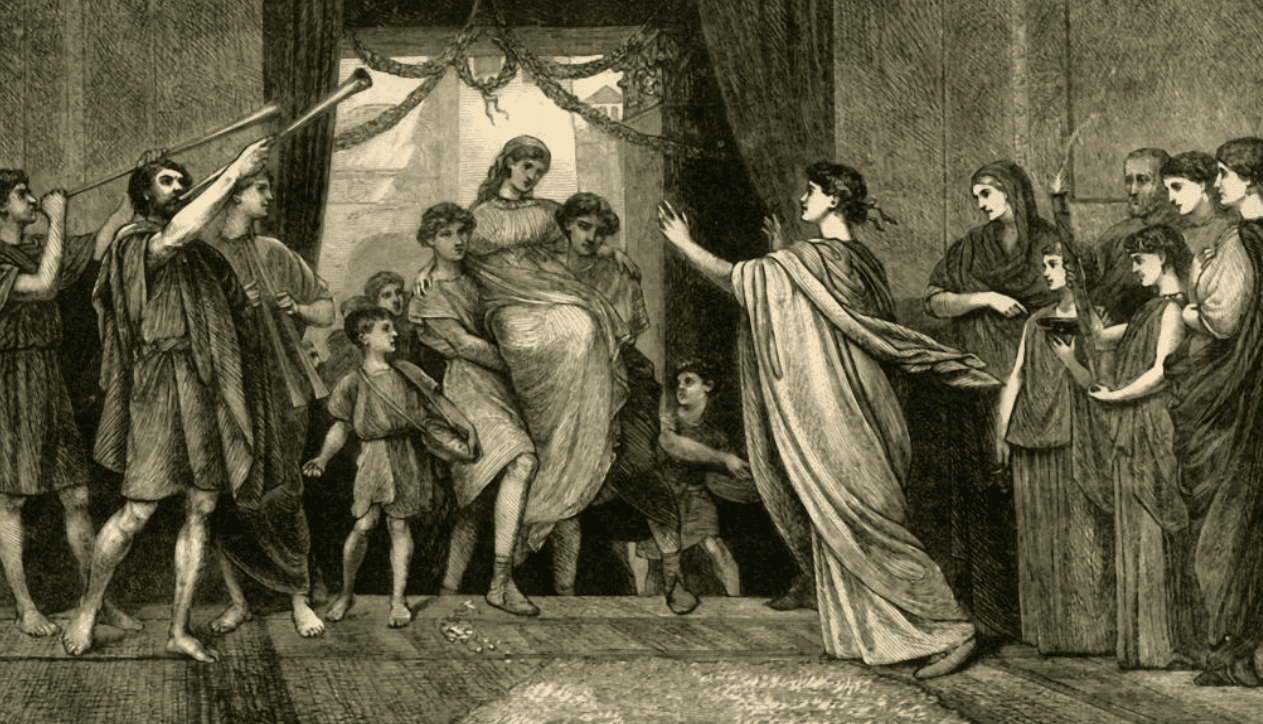
Why Do Bridesmaids All Dress the Same? Blame the Romans
If you have ever worn a dress identical to four other people at a wedding, you may have wondered who invented this peculiar custom. The answer leads back to Ancient Rome — and the original reason had nothing to do with photographs. It had to do with fooling demons.
Things we do
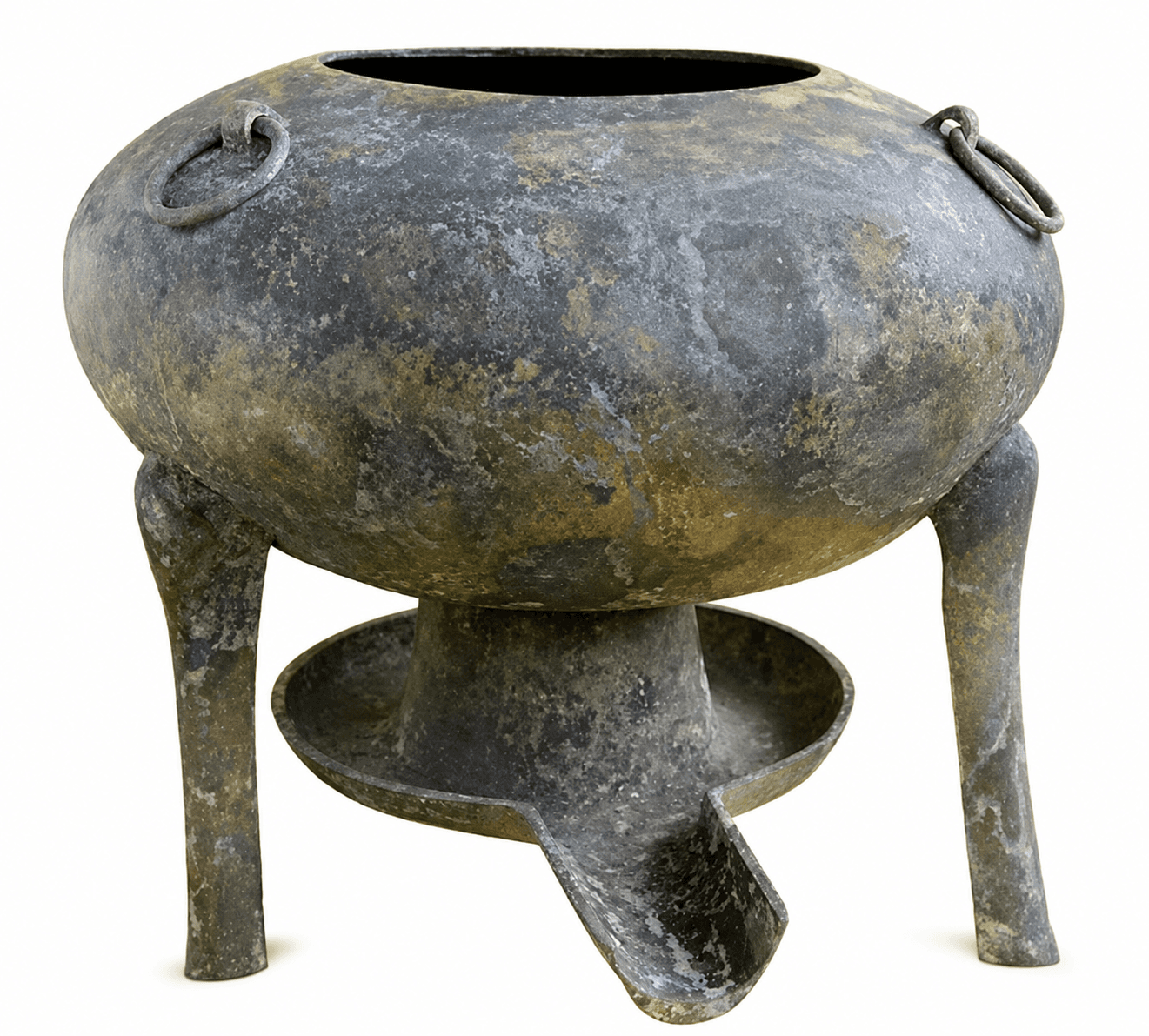
The Long, Simmering History of Hotpot in China
Hotpot is having a global moment, but its story stretches back more than two millennia. From Han tomb vessels to modern induction tables, the shared ritual remains the same: gather, simmer, and eat together.